What Is the Anion Gap?
The anion gap is a computed value helping evaluate plasma and serum electrolytes in a basic electrolyte panel. It shows the difference between the major measured cations and anions, mainly sodium on one side and chloride plus bicarbonate on the other. Because routine lab testing does not https://anion-gap-help697.yousher.com/can-elevated-blood-lipids-influence-the-anion-gap measure every charged particle in blood chemistry, the anion gap helps estimate the amount of unmeasured anions and helps assess acid-base balance.
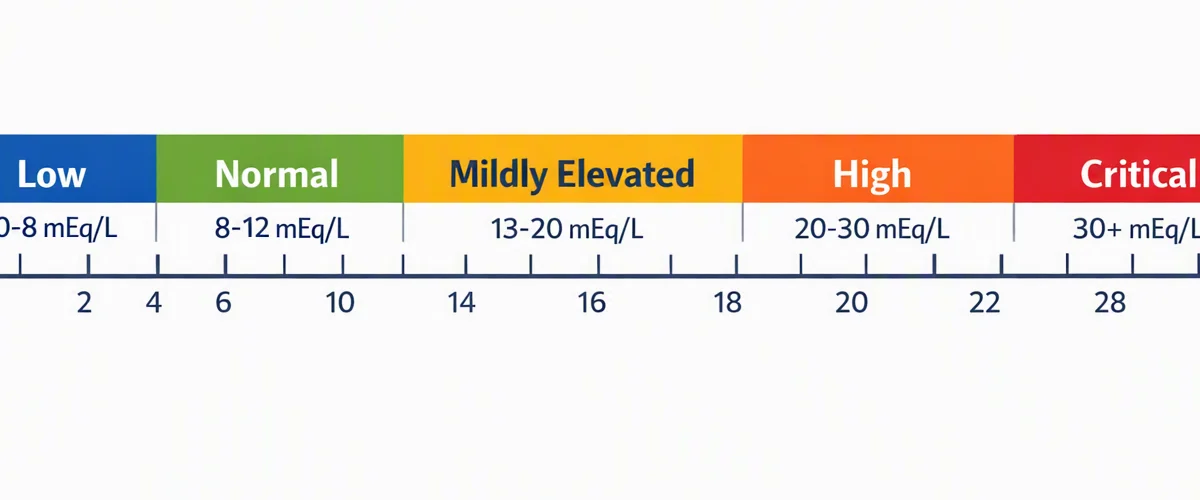
This concept is grounded in electroneutrality, the principle that plasma must remain electrically balanced overall. The calculated anion difference is not a direct measurement of a single substance; instead, it is a helpful indicator in clinical interpretation and diagnostic evaluation. When the gap is abnormal, it can suggest a metabolic disturbance even before the underlying cause is fully known.
The anion gap calculator is designed to make easier this process. By entering common lab values, you can check whether the result falls within the expected lab reference range and judge whether further testing or closer review is needed. In practice, the anion gap is often used as part of a broader electrolyte panel and overall assessment of serum chemistry.
How the Anion Gap Calculator Works
An anion gap calculator uses a straightforward formula based on the observed concentrations of chloride and bicarbonate compared with sodium. The most common equation is:
Anion gap = Sodium − (Chloride + Bicarbonate)This calculation helps identify whether the body is retaining extra acids or reducing key buffering capacity. The calculation is quick, but the meaning depends on the full clinical context. A normal number does not always exclude illness, and an abnormal number does not automatically confirm one diagnosis.
The calculator is highly useful because it transforms a set of routine lab values into a result that supports result interpretation. If the numbers are outside the expected reference interval, clinicians may consider whether there are additional acids, changes in protein balance, or even a lab measurement issue. In other words, the calculator does more than deliver a number; it supports risk stratification during evaluation of possible acid-base problems.
How to Determine Anion Gap in Simple Steps
To perform the calculation, begin with the values from a routine chemistry panel. Use serum sodium, serum chloride, and serum bicarbonate from the same sample whenever possible. Consistency matters because small differences in sampling or timing can affect the result.
Proceed as follows:
- Find the sodium value from the lab report. Combine the chloride and bicarbonate values together. Deduct that sum from the sodium value.
As an example, if serum sodium is 140, serum chloride is 104, and serum bicarbonate is 24, the anion gap is 140 − (104 + 24) = 12. The answer may fall within a typical normal range, depending on the lab method and local reference interval.
Because this is a calculation based on routine serum chemistry, it is important to verify the numbers carefully. A small transcription mistake can modify the answer significantly. The calculator is a practical tool, but accurate input is essential for reliable diagnostic evaluation.
Normal Anion Gap Range and Reference Limits
The normal range for anion gap changes by laboratory because different analyzers and methods yield slightly different results. That is why the reference range on the report should always be checked in place of relying on a single universal cutoff. In many settings, the reported lab values fall into a narrow band, but the exact range depends on the assay and whether potassium is included in the calculation.
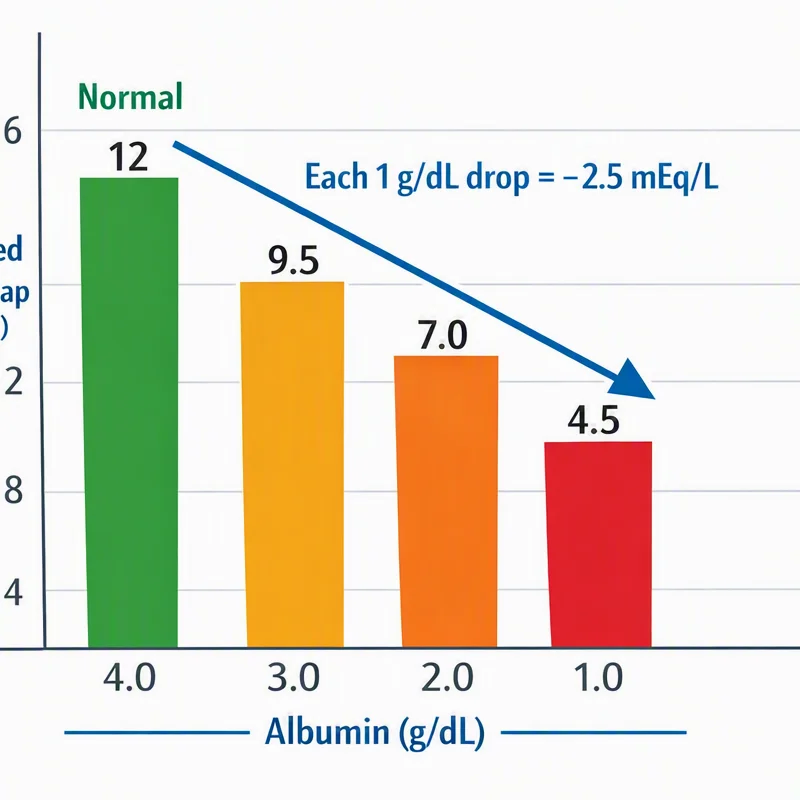
Albumin also affects the expected result because it is one of the key unmeasured anions in plasma. When albumin is low, the anion gap may appear falsely normal or low even if clinically important acids are present. For that reason, understanding the local test reference range and considering correction for albumin are both essential.
A result should always be interpreted alongside symptoms and other chemistry findings. A single number cannot replace the broader picture of blood chemistry, especially when assessing possible acid-base abnormalities.
Elevated Anion Gap Causes
A elevated anion gap usually suggests excess unmeasured acids in the bloodstream and is commonly associated with metabolic acidosis. The most common form is elevated anion gap metabolic acidosis, which often implies that acid production has risen, acid clearance has gone down, or each.
Frequent causes include:
- Lactate buildup, often related to tissue hypoperfusion, severe infection, or other systemic stress. Ketone acidosis, such as diabetic ketoacidosis or starvation ketosis, where ketone acids build up. Kidney failure, in which the kidneys cannot remove acids efficiently. Alcohol toxins, including substances that can form acidic metabolites.
Other harmful substances may also play a role, and the pattern can help guide urgent clinical assessment. A high value is not a diagnosis by itself; it is a signal to investigate the cause of the acid-base disorder. In practice, the calculator supports early recognition of an abnormal pattern so clinicians can prioritize confirmatory tests, evaluate symptoms, and assess severity.
Because many causes overlap, the anion gap should be interpreted alongside history, exam findings, and other lab data. The presence of vomiting, altered breathing, dehydration, or confusion can change the differential and point toward a specific metabolic disturbance.
Reduced Anion Gap Causes
A reduced anion gap is uncommon, but it can still be clinically meaningful. One of the main causes is reduced albumin, since albumin plays a major role to normal charge balance. When albumin falls, the measured gap may also decrease, even if there is no large alteration in the underlying acid-base balance.
Other causes include myeloma, where abnormal proteins can change the charge balance in blood. Hypercalcemia may also be associated with a decreased reading in some cases. Sometimes the issue is not a medical condition at all but lab error or a collection issue such as sample contamination or instrument variation.
Because a low result may reflect either real pathology or analytical error, it should not be ignored. If the result is unexpected, clinicians often run the test again, review the full electrolyte profile, and consider whether the finding matches the patient’s symptoms and other blood chemistry values. This is where the calculator is useful as a screening and interpretation aid, but not as a final answer.
How Albumin Impacts the Anion Gap
Albumin-based correction is crucial because albumin is a key anionic protein in blood plasma and helps maintain overall electrical balance. Because albumin behaves as an unmeasured anion, hypoalbuminemia can lower the calculated anion gap. In patients with significant hypoalbuminemia, the uncorrected number may miss the actual extent of acid accumulation.
The corrected anion gap helps compensate for this by revising the measured value based on the serum albumin concentration. Different institutions may use slightly different calculation method approaches, but the overall goal is the same: to estimate what the gap would be if albumin were normal. This strengthens interpretation when evaluating possible unmeasured anions in acid-base problems.
Albumin correction is particularly helpful when clinical suspicion is high but the measured gap looks normal. In that setting, the correction can reveal hidden metabolic acidosis and increase the quality of diagnostic review. It also helps reduce false reassurance when low albumin is masking the true picture.
Healthcare Assessment of Results
The anion gap is most useful when interpreted as part of a comprehensive acid-base disorder evaluation. A number beyond the normal range may indicate an electrolyte imbalance, but the interpretation depends on the patient’s complaints, vital signs, and other labs. For example, a high gap with low bicarbonate strongly supports an acid load problem, while a low or normal gap does not exclude disease if albumin is reduced.
An arterial blood gas can help show whether the patient truly has acidemia or alkalemia and whether respiratory compensation is sufficient. Pairing the anion gap with blood gas data strengthens clinical interpretation and supports more accurate symptom assessment. This is especially helpful when the presentation is mixed.
In practice, the anion gap is one piece of the larger puzzle. It can help narrow the differential, but final interpretation requires the full clinical context, including medications, kidney function, perfusion status, nutritional state, and possible exposures. That broader view helps separate a transient metabolic disturbance from a more serious condition.
Common Applications for the Anion Gap Calculator
The anion gap calculator is used commonly in emergency medicine and the ICU, where rapid decision-making is crucial. In those settings, clinicians often need a quick way to spot patients with possible acid accumulation, especially when blood gas or chemistry results are being reviewed in real time.
It also serves as a practical screening and diagnostic tool in outpatient and inpatient care. When a routine electrolyte panel shows an unexpected change, the calculator helps decide whether the pattern suggests a more serious acid-base issue or a less urgent explanation. This can direct next steps in evaluation and help prioritize confirmatory workup.
Because it is easy to apply, the calculator promotes rapid risk stratification. This does not substitute for formal medical evaluation, but it can help clinicians identify which patients may need additional labs, closer observation, or urgent treatment.

Limitations and When to Confirm with Lab Testing
Even though it is helpful, the calculator has limitations. The result depends on accurate inputs and on the accuracy of the underlying lab measurement. Even minor measurement error can alter the final number, particularly when the gap is near the cutoff between normal and abnormal.
A venous blood test is often the source of the electrolyte values used in calculation, and repeat sampling may be needed if the result doesn’t match the clinical picture. Repeat testing is especially important when the finding is unexpected or when a treatment decision depends on it. The overall precision of the result improves when the sample is managed carefully and analyzed promptly.
Confirmatory testing is also important when albumin is very low, when there is concern for toxic ingestion, or when the patient has a complex metabolic disturbance. In those cases, the calculator should be considered a piece of broader clinical interpretation, not the final word.
FAQ
What is a normal anion gap?
A normal anion gap is the result expected within a laboratory’s reference range, but the exact cutoff depends on the method used and the local lab reference range. Because analyzers differ, it is best to compare the result with the specific report rather than a universal number. Albumin level can also change the expected value.
How do I calculate the anion gap from sodium, chloride, and bicarbonate?
Follow the standard formula: sodium minus the sum of chloride and bicarbonate. In other words, sodium − ( chloride + bicarbonate). This is the basic calculation used by any anion gap calculator. Make sure the values come from the same blood sample to improve accuracy.
Why do I need to correct the anion gap for albumin?
Albumin correction is needed because albumin is a major unmeasured anion and influences overall electrical balance. When albumin is low, the measured gap may appear incorrectly normal or low. The corrected anion gap provides a better estimate of the true acid base picture.
What can cause a high anion gap?
A high anion gap is commonly due to acid buildup from extra acids in the blood. Common causes include lactic acidosis, ketoacidosis, kidney failure, and exposure to poisonous alcohols. Other toxic substances may also play a role, so the result should be interpreted with the full clinical context.
Can a low anion gap be a sign of a medical problem?
Yes. A low anion gap can reflect reduced albumin, myeloma, or elevated calcium, and it can also result from lab error. If the value is out of range, it should be reviewed carefully and often confirmed with repeat testing. The finding is not necessarily dangerous, but it should not be dismissed without further evaluation.